

human + nature
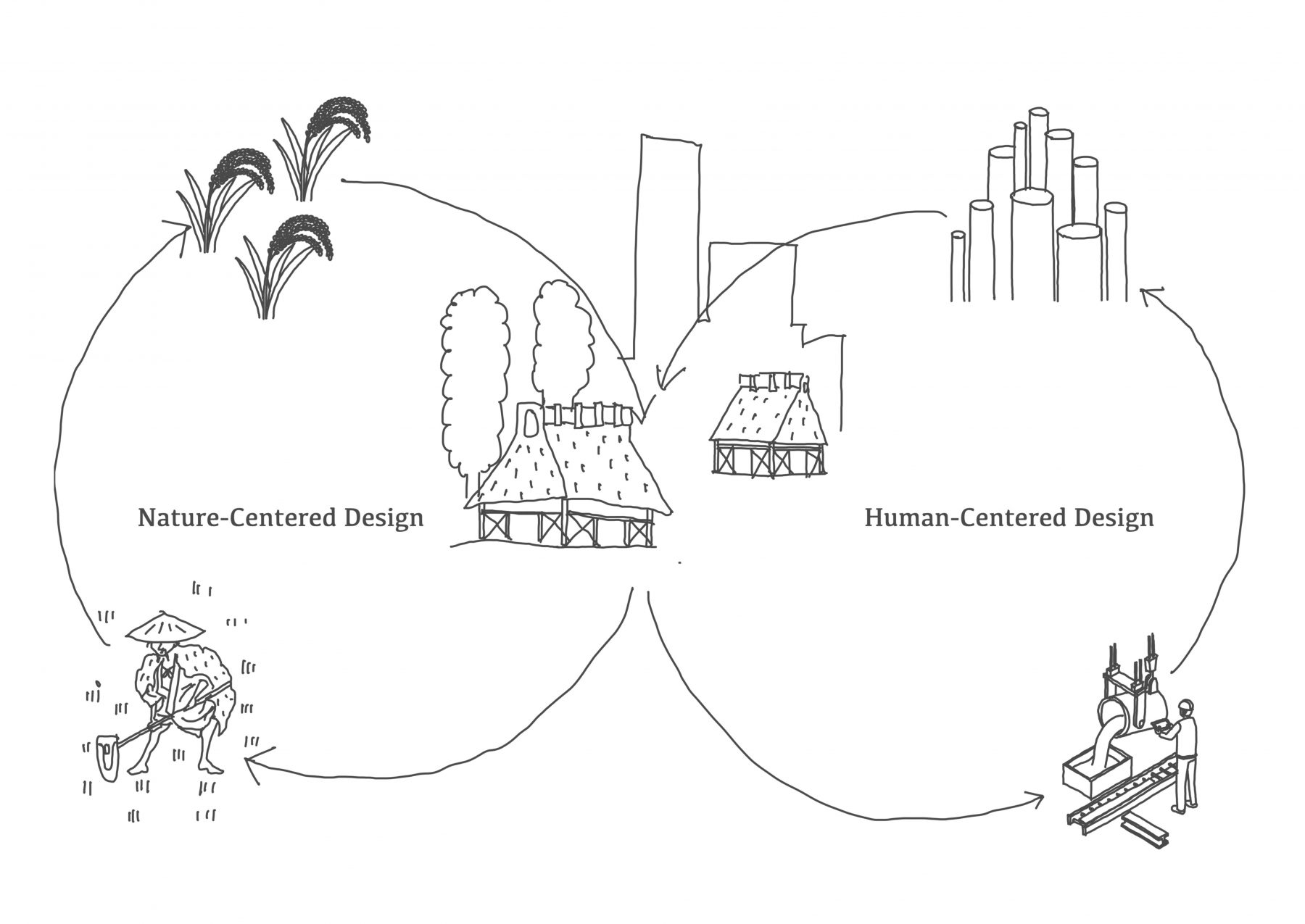
Building houses in the Satoyama area is characterised by using locally sourced timber, bamboo and earth, constructed with the cooperation of local people. Roofs are thatched with straw, creating spaces that are cool in summer and warm in winter. This lifestyle, harmonised with nature, integrates human activity as part of the natural cycle and forms beautiful landscapes. However, given current population levels and the progress of urbanisation, it is unrealistic to expect everyone to adopt this lifestyle. While many people harbour an idealised view of Satoyama, merely dreaming of its value will not solve environmental problems.
On the one hand, human-centred design in cities is crucial as an initiative to recycle resources sourced from afar and strive towards a sustainable circular society. Yet it is equally true that this alone cannot prevent global environmental crises or the increasing frequency of natural disasters. This time, having gained an opportunity to participate in an exhibition focused on collaboration between material artists and architects, we, together with Ikuya Sagara, a master thatch craftsman, undertook such environmental challenges in distant London. Britain once possessed its own Satoyama landscapes, where agriculture, forestry and livestock farming were intertwined. Yet in recent years, climate change has brought abnormal weather, with summer temperatures exceeding 40℃. Through this exhibition, the Distillation of Architecture held at the AA School, we wish to demonstrate that human-centred design and nature-centred design are not mutually exclusive; rather, they are approaches that should confront shared global challenges. We further aim to propose a new design approach that fuses both, creating a forum for discussing these universal issues.
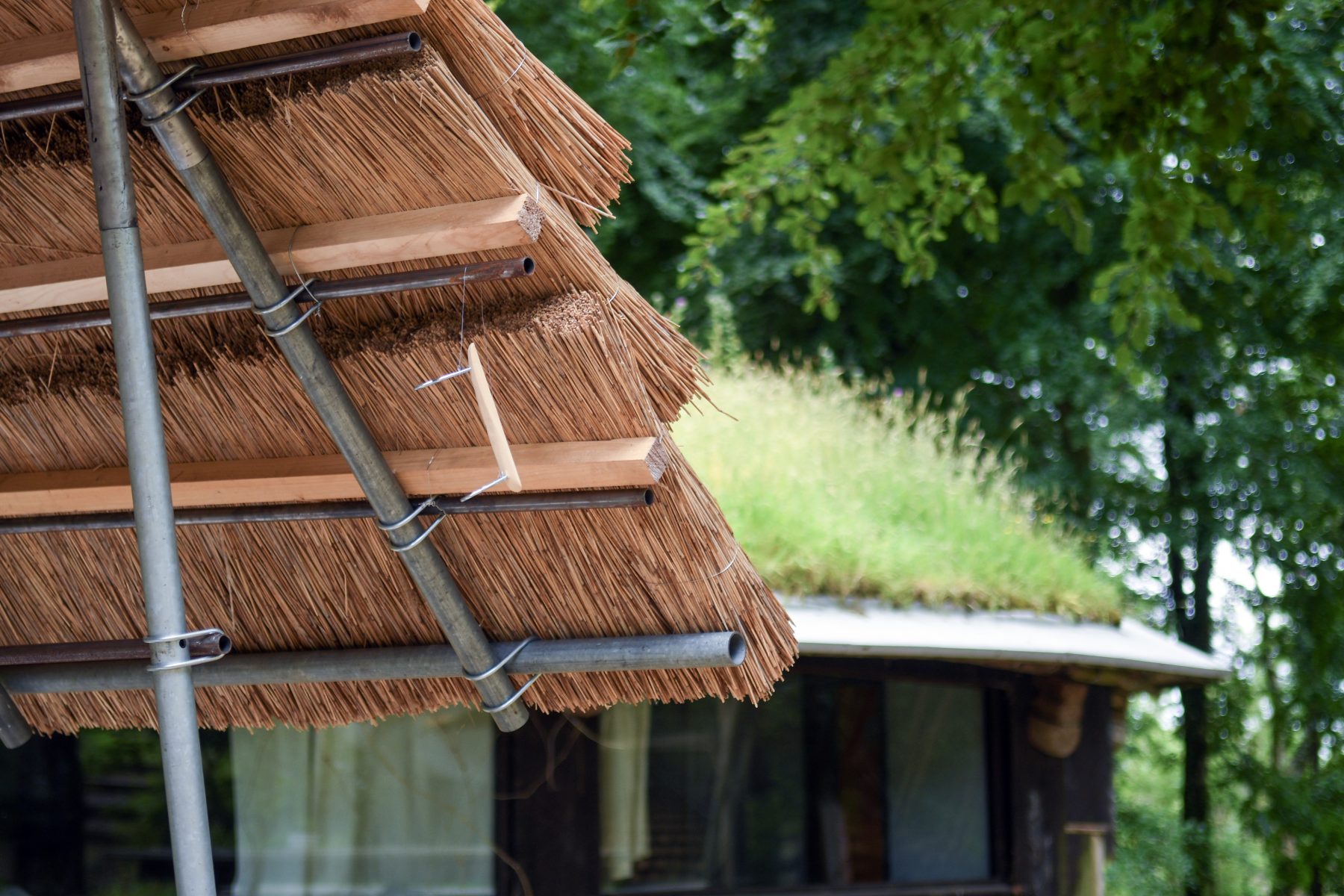
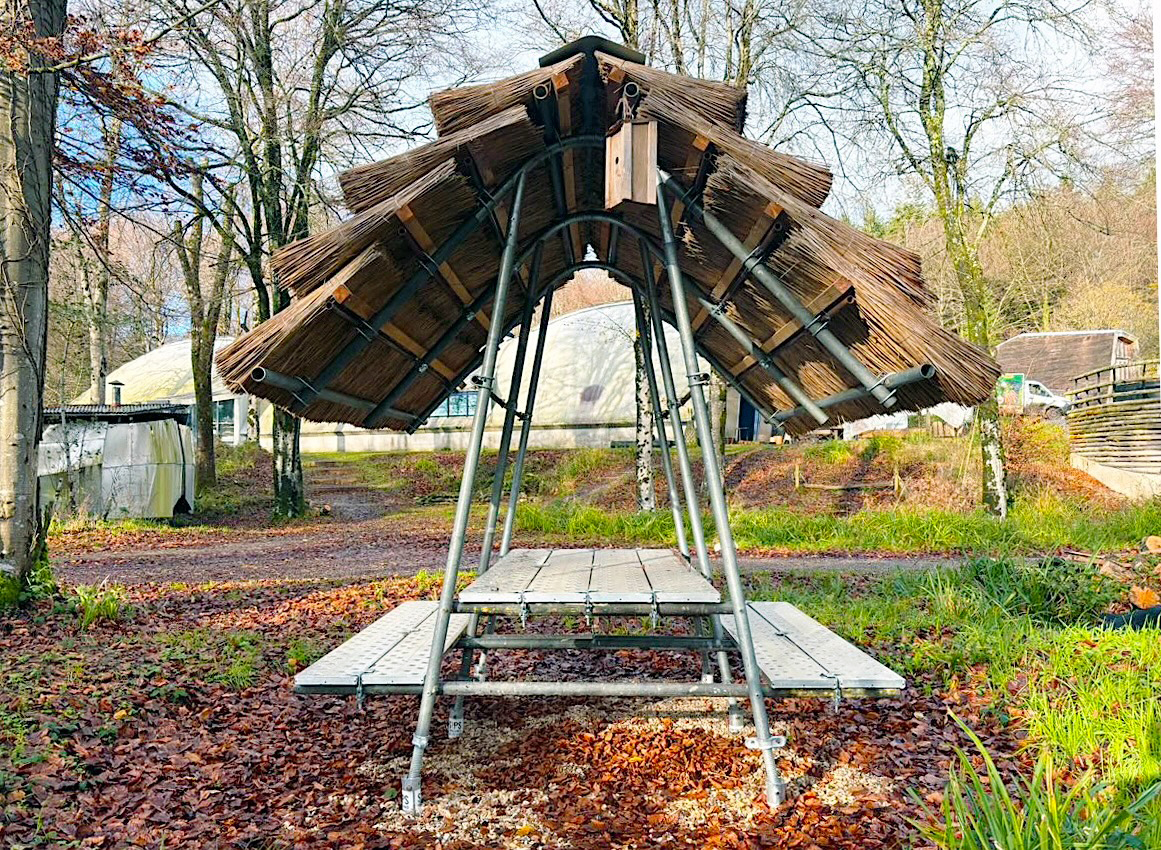
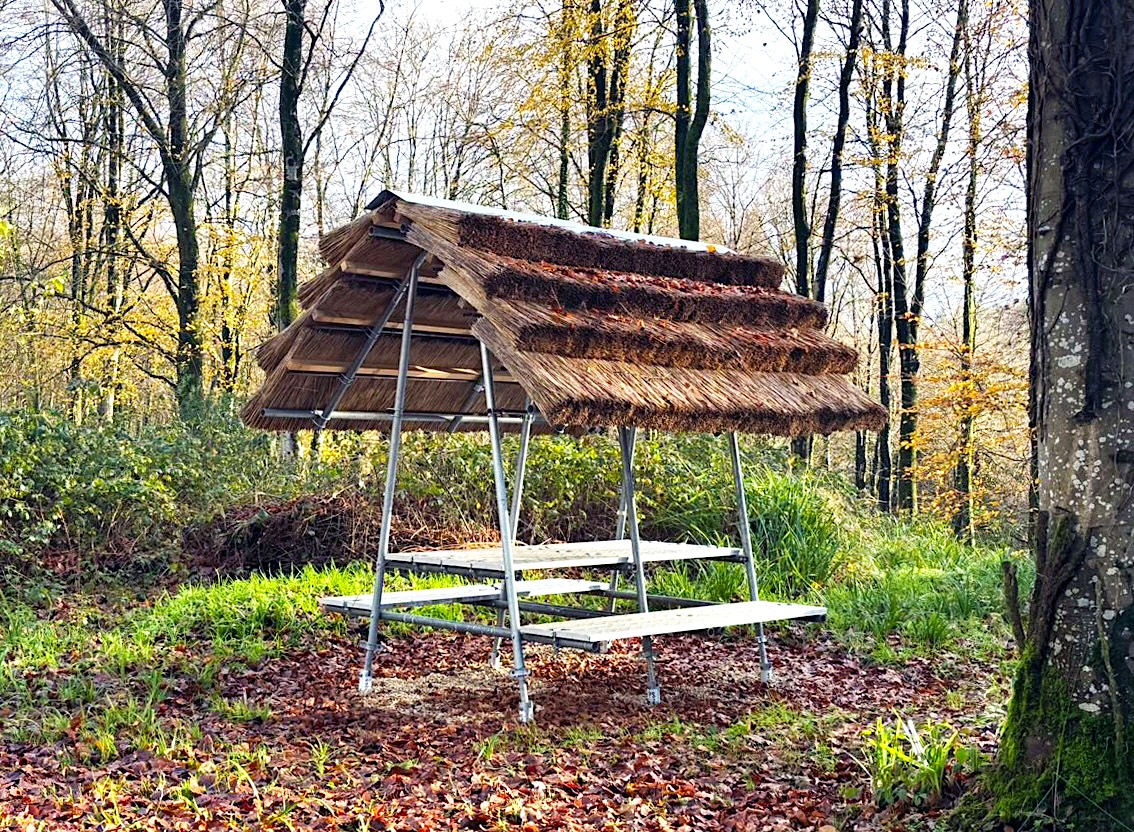
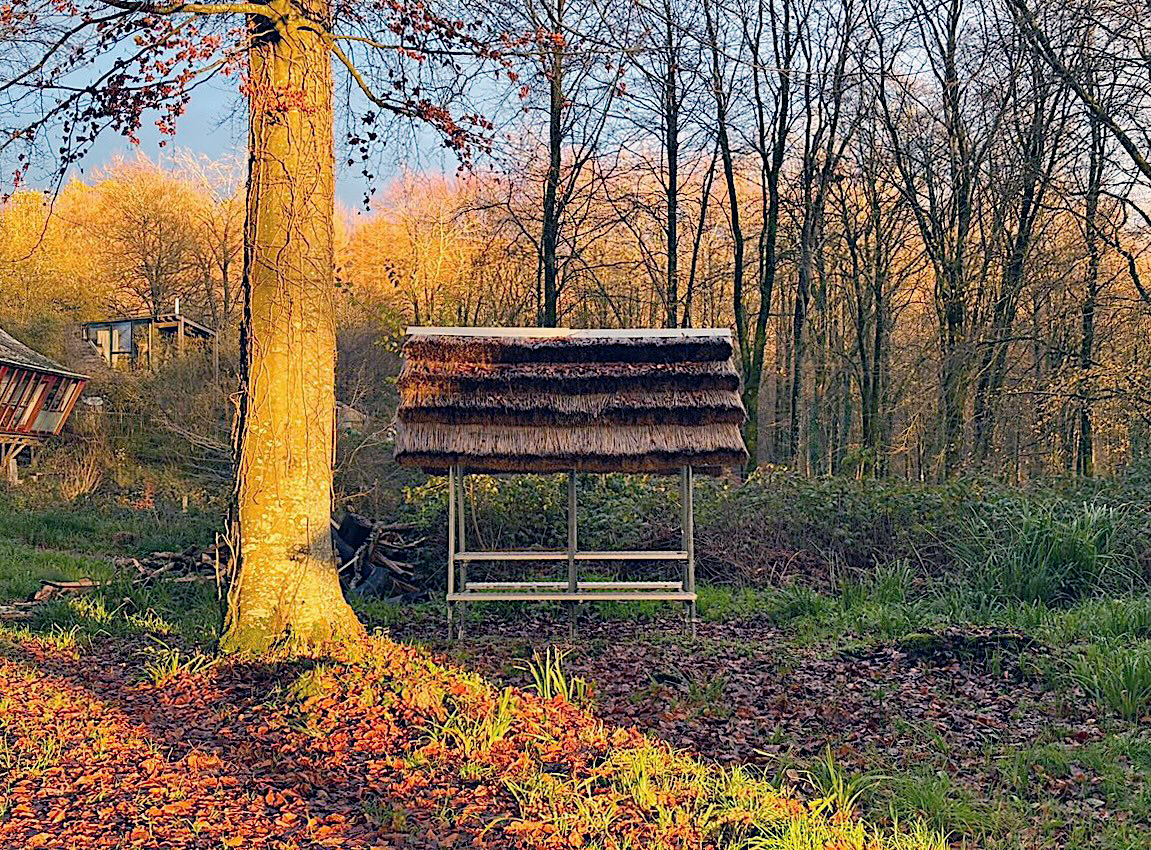
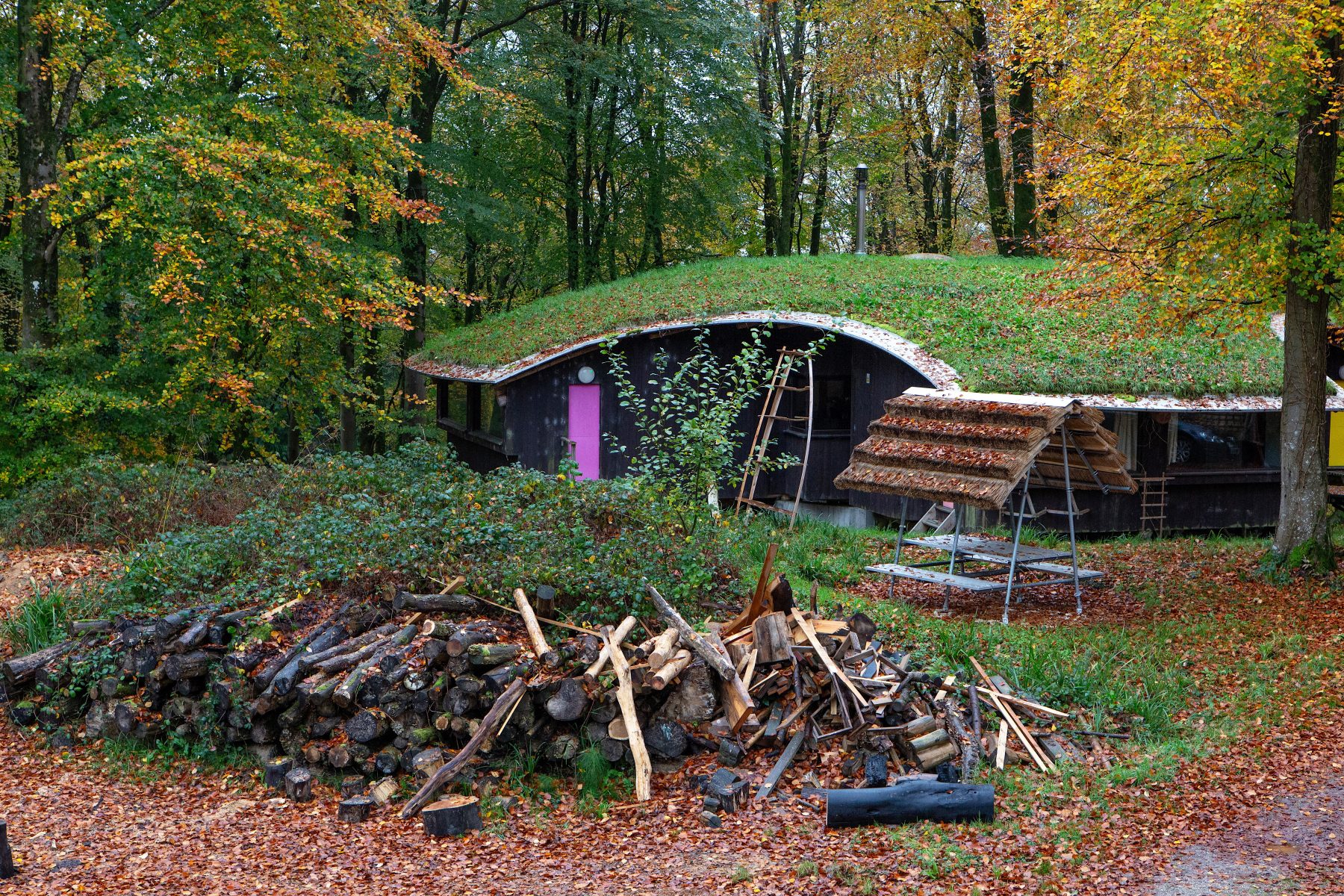
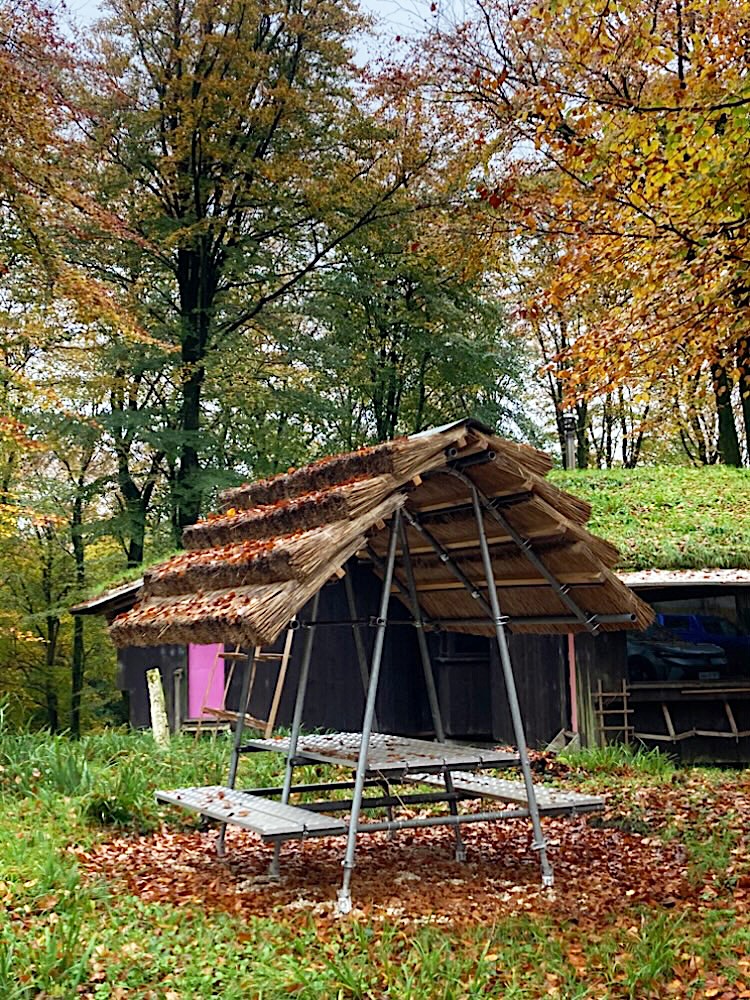
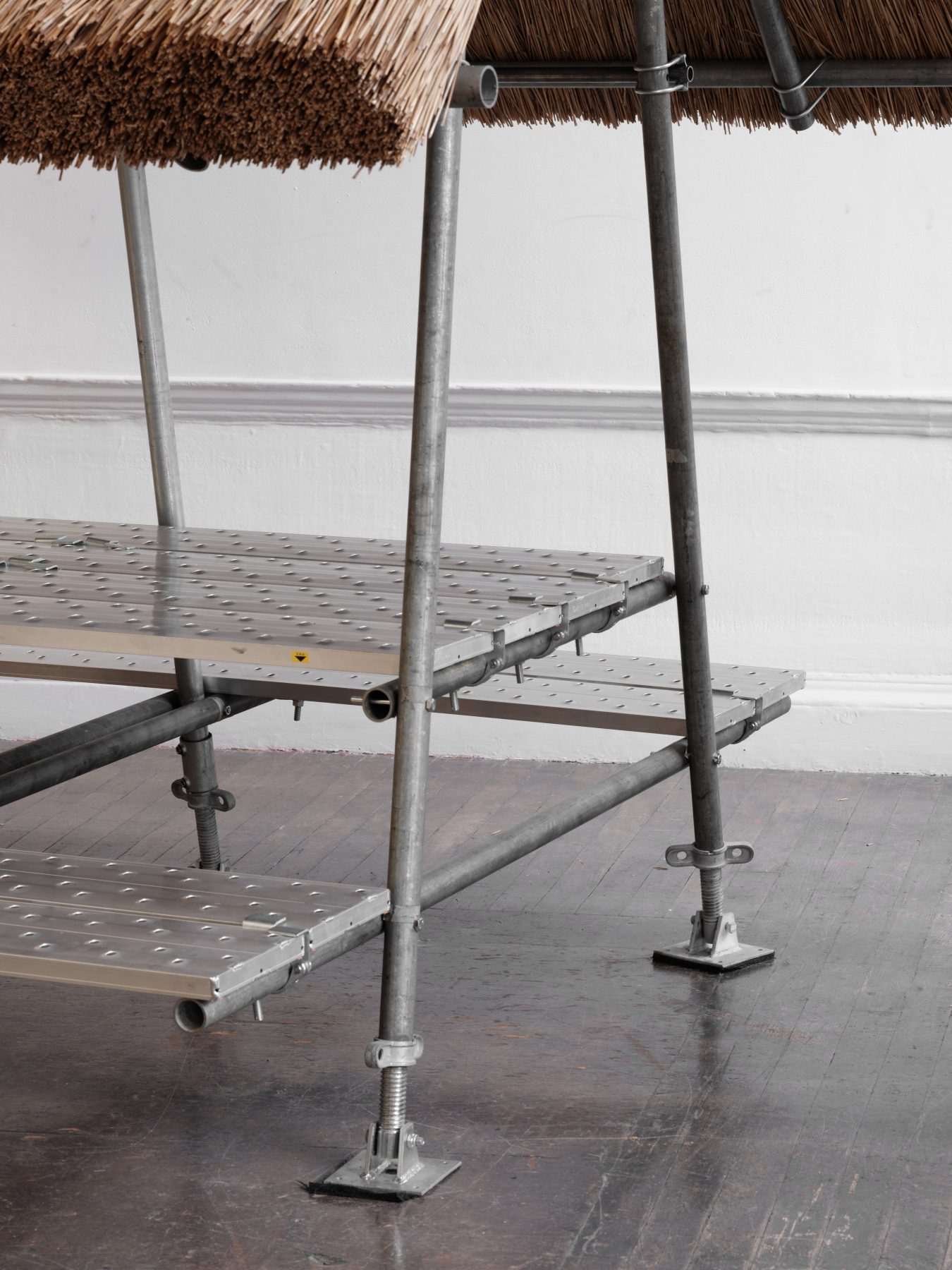
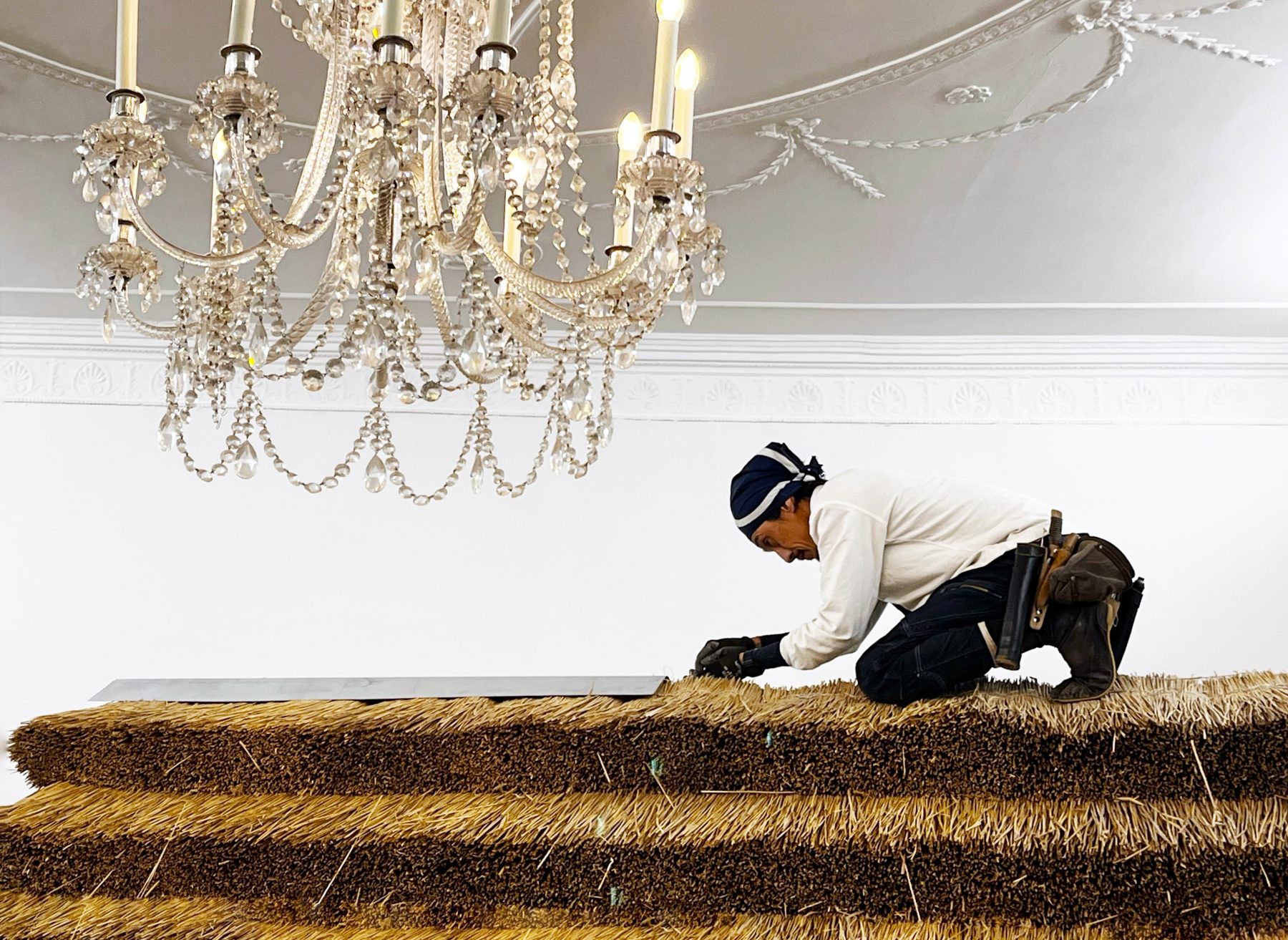
We created a small YATAI using steel pipes—a universal scaffolding material—combined with thatch, which possesses high insulation and breathability. This YATAI symbolises a future that respects both nature and humanity, bringing mutual benefit. Even as a small endeavour, we believe this design, which seeks harmony between coexistence with nature and technology, represents a step towards a sustainable future.
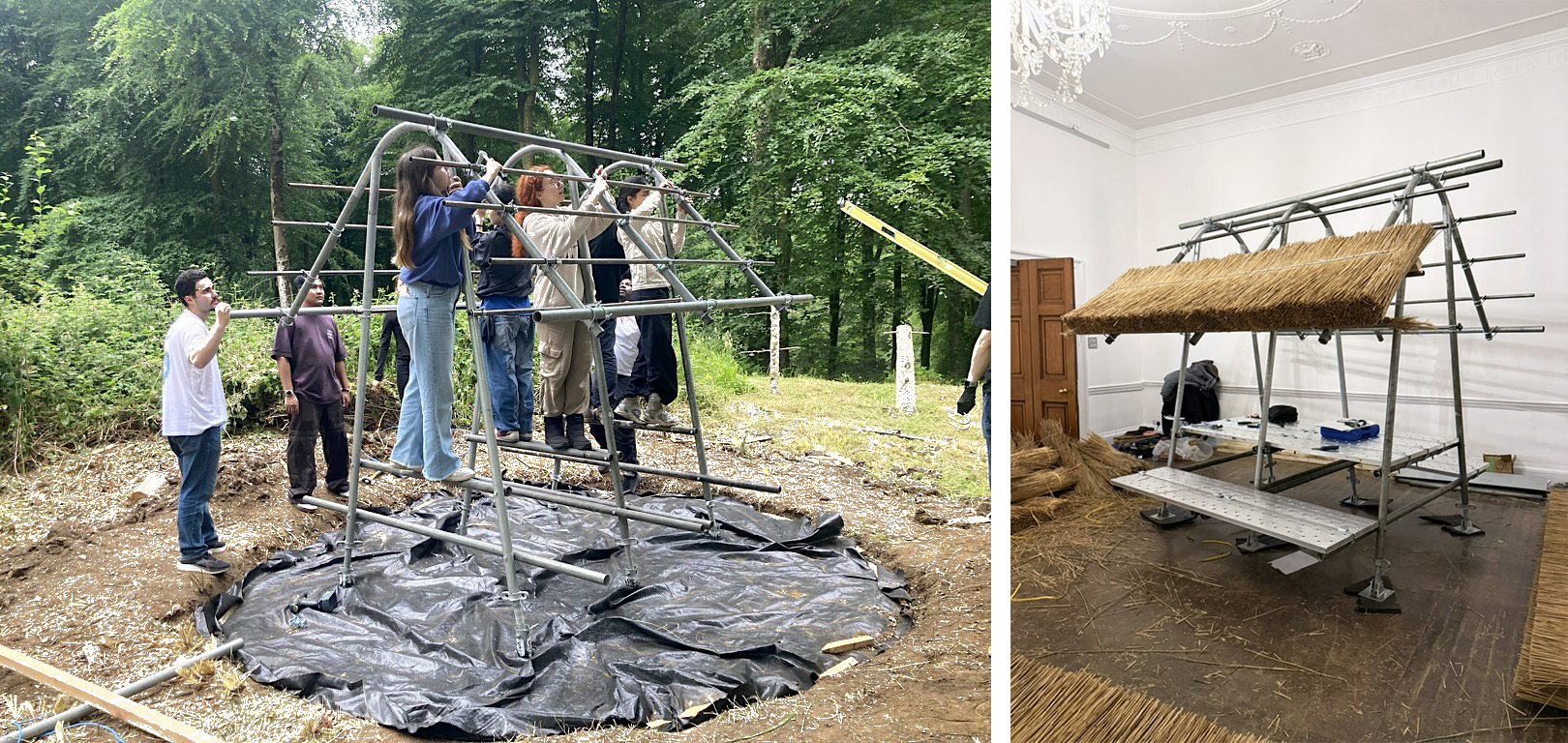
For the London exhibition, due to circumstances necessitating the abandonment of outdoor display, a flat-pack design was adopted to enable the YATAI to be dismantled after the event and reassembled outdoors once again. Simultaneously, the design was deliberately simplified for ease of replication. While the exhibited YATAI was relocated to Hooke Park in the suburbs after the exhibition, it was designed with the vision of multiple YATAI being used throughout London in the future. (Jo Nagasaka)
DATA
Title: YATAI2_KAYA
Design: Schemata Architects/Jo Nagasaka
Project team: Shu Hattori , Sonoka Minami
Address: 36 Bedford Square,London WC1B 3ES,United Kingdom
Usage: Bench
Collaborators: KUSAKANMURI/Ikuya Sagara , super robot , AA School
Complition: January,2025
Open: January,2025
Photo: Anna Lisa Reynolds (1), Moe Kojima (2, 3, 4), Louis de Rohan (5), Harriet Jennings(6), Thomas Adank (7, 8), Shin Egashira (9), Schemata Architects (10, 11)